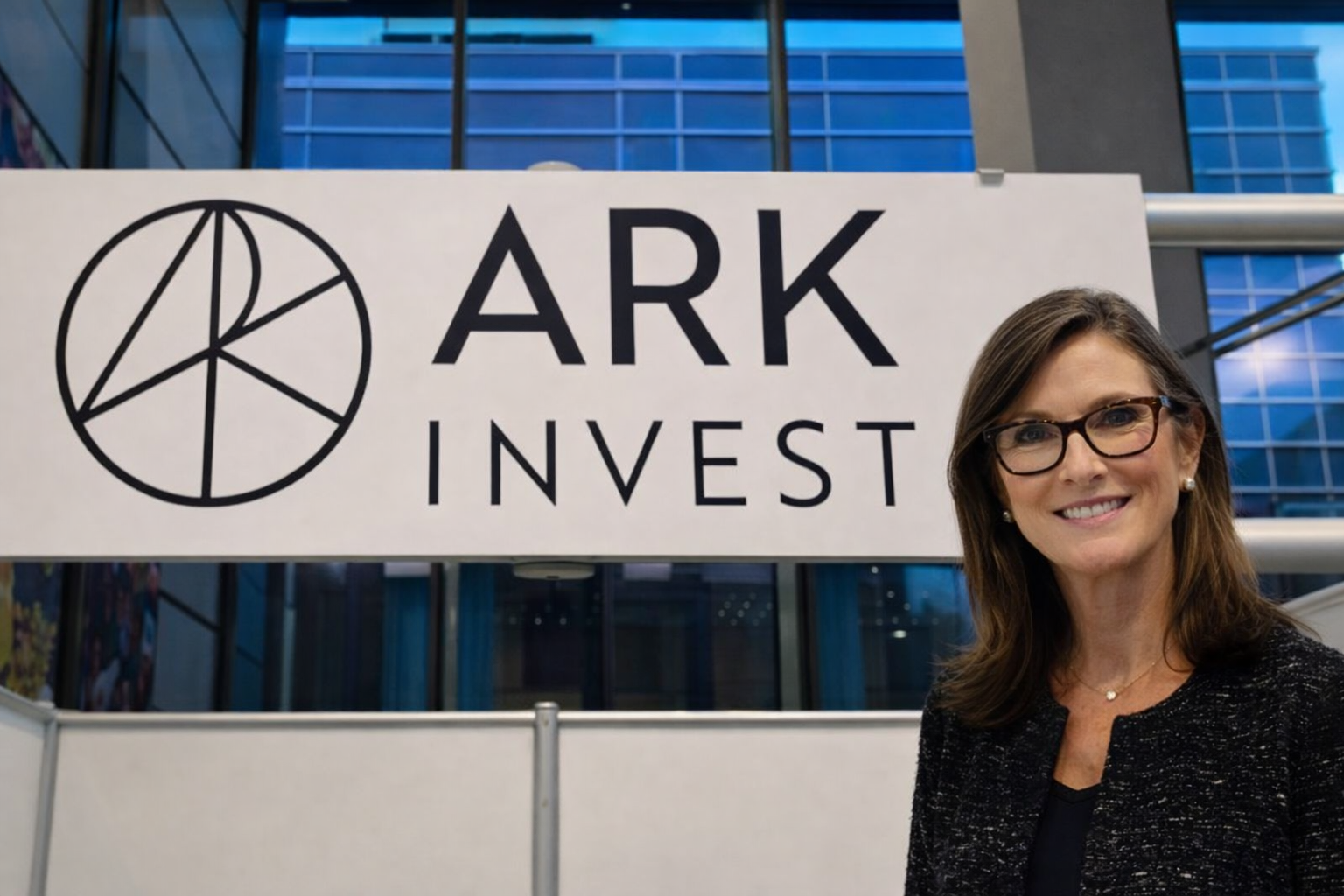
Why Did Ark Buy More Circle After the Stock Pullback?
Ark Invest bought about $13.7 million worth of Circle Internet Group shares on Thursday, adding to its exposure after the USDC issuer’s stock fell more than 20% over the past month.
The investment firm’s latest trading disclosure showed purchases of 217,896 Circle shares across 3 exchange-traded funds: ARKK, ARKW, and ARKF. Based on Thursday’s closing price of $63.01, the purchases were worth roughly $13.7 million.
The move reflects Ark’s willingness to add exposure to a company whose market value has come under pressure but remains tied to one of the most important segments in digital assets: stablecoins. Circle is the issuer of USDC, a major dollar-backed stablecoin used across crypto exchanges, payment networks, decentralized finance, and institutional settlement channels.
Circle shares fell 1.65% on Thursday, extending the stock’s one-month decline to 20.2%. The decline followed a sharp selloff earlier in the month after the launch of Open USD, a new stablecoin project backed by more than 140 companies, including Visa, Stripe, Mastercard, BlackRock, and Coinbase.
What Does the OUSD Launch Mean for Circle?
The launch of Open USD adds a competitive overhang for Circle because it brings together major payment, financial, and crypto firms behind a rival stablecoin initiative. For investors, the concern is not only whether OUSD gains traction immediately, but whether large institutional partners could reshape the stablecoin market over time.
Circle’s business depends heavily on the growth and distribution of USDC. Any new stablecoin project backed by firms with payment networks, merchant reach, asset management scale, and crypto exchange access creates a fresh challenge for market share, liquidity, and future revenue assumptions.
That explains why Circle’s stock reaction has been sharp. Stablecoin issuers are increasingly being valued not only on current circulation and reserve income, but also on their ability to defend distribution as traditional finance and crypto infrastructure firms move deeper into tokenized dollars.
Still, the selloff has not erased bullish coverage from all analysts. Bernstein analysts earlier this month reiterated their Outperform rating on Circle and maintained a $190 price target for the USDC issuer.
Investor Takeaway
Ark’s purchase suggests it is treating Circle’s decline as an opportunity to increase exposure to the stablecoin market. The risk is that Circle’s valuation now has to absorb a more competitive dollar-token landscape backed by major financial and payment companies.
Why Did Ark Sell Robinhood Shares?
Ark also sold 85,319 shares of Robinhood, a position worth about $9.8 million based on Thursday’s trading levels. Robinhood closed up 1.39% at $115.11 on Thursday.
The sale does not necessarily mean Ark has turned negative on Robinhood. The firm actively adjusts its ETF holdings so that no single stock exceeds 10% of a fund’s portfolio. When the value of a holding rises or becomes too large within a fund, Ark may sell shares to rebalance exposure.
That context is important because Robinhood has been one of the stronger financial technology names tied to retail trading, crypto activity, and brokerage expansion. A partial sale can reflect portfolio discipline rather than a direct call on the company’s fundamentals.
For Ark’s ETFs, the shift also shows a rotation within crypto-linked equities. Circle offers direct exposure to stablecoin infrastructure, while Robinhood provides exposure to trading activity, customer balances, crypto brokerage services, and broader retail investor participation.
What Are the Market Implications?
The trades show how Ark is managing exposure across 2 different parts of the digital asset equity market. Circle represents stablecoin infrastructure and tokenized dollar adoption. Robinhood represents retail access, trading volumes, and platform monetization.
The timing also matters. Circle’s decline has created a lower entry point for investors willing to look past near-term pressure from OUSD. Robinhood’s strength, by contrast, gives Ark room to take profits or reduce fund concentration without fully exiting the theme.
For investors, the main question is whether Circle can defend USDC’s role as competition increases. The stablecoin market is becoming more institutional, more regulated, and more crowded. That can expand the addressable market, but it can also pressure margins and distribution power for existing issuers.
Ark’s latest disclosure points to a clear allocation choice: adding to a beaten-down stablecoin issuer while trimming a stronger retail trading platform. The trade keeps Ark positioned in crypto-linked financial infrastructure, but with a larger bet on Circle’s ability to remain central to the stablecoin market despite rising competition.