Why Is UniCredit’s Russia Sale Under Fresh Attention?
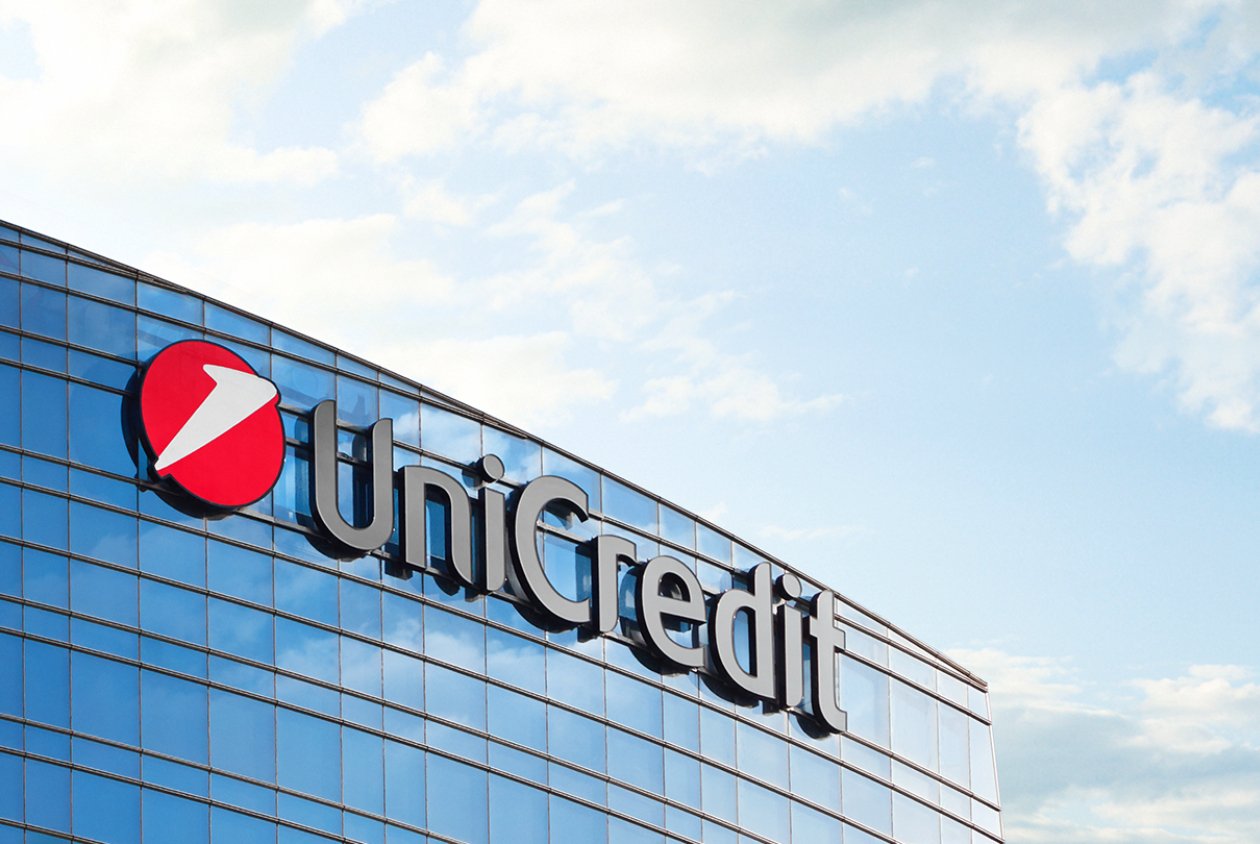
UniCredit’s planned exit from Russia is drawing renewed scrutiny after the Italian bank confirmed that Riccardo Orcel, a former senior banker at Russian state-backed VTB Group and brother of UniCredit CEO Andrea Orcel, helped broker the agreement.
Riccardo Orcel’s involvement offers a clearer view of how Italy’s second-largest bank secured a path out of Russia after years of regulatory pressure. He was previously deputy CEO of VTB, Russia’s second-largest bank, and vice chairman of VTB Capital, making him one of the best-known Western bankers in Moscow before leaving Russia in 2022.
UniCredit said Riccardo Orcel presented a proposal for its Russian business and was appointed as an independent adviser by the bank’s board in connection with the process. “The transaction announced last month was the successful outcome of that work,” the bank said.
The arrangement places UniCredit’s Russia exit inside a more sensitive governance debate. The bank has been under pressure to reduce its exposure to Russia since the invasion of Ukraine, but any adviser linked by family to the chief executive raises questions over related-party rules, board oversight, and conflict management.
How Are Potential Conflicts Managed?
The appointment of close relatives of senior figures at Italian banks is covered by Bank of Italy rules on related-party transactions. Those rules require banks to assess whether a relationship could affect independence, governance, or the fairness of a transaction.
Stefano Gatti, a finance professor at Milan’s Bocconi University, said any potential conflict of interest must be handled through several layers of review. “Any potential conflict of interest … is overseen by the regulator and must be carefully assessed by the bank’s related-party committee, its board of directors and statutory auditors,” he said.
That process matters because UniCredit’s Russia business is not a routine asset sale. Russia has imposed tight exit rules on Western companies, including steep discounts on asset disposals and approval requirements that can involve both the central bank and the Kremlin. Any deal to sell UniCredit’s Russian operations would require a presidential decree and central bank approval.
For investors, the governance issue is less about whether an adviser had relevant experience and more about whether the process can withstand regulatory and shareholder scrutiny. Riccardo Orcel’s background may have been useful in navigating Russian counterparties and approval channels, but the family link to the CEO makes process transparency more important.
Investor Takeaway
UniCredit’s Russia exit reduces a long-standing geopolitical exposure, but the adviser arrangement adds a governance layer. Investors will focus on whether the board can show that the appointment was independent, properly reviewed, and commercially justified.
Why Has Exiting Russia Been Difficult?
UniCredit had long been one of the largest Western banks operating in Russia. In 2022, its Russian operations ranked among the country’s top 15 banks. The lender maintained a presence after the invasion of Ukraine, even as European regulators pushed banks to reduce exposure and limit new business.
The bank said in May that it had reached a non-binding agreement to sell parts of its Russian bank to a “well-established private investor” in the United Arab Emirates. UniCredit would retain only its payments business in Russia under the proposed structure.
Little is known about the buyer beyond its UAE base. That detail is important because Dubai has become a major hub for business linked to Russia after sanctions disrupted traditional financial and commercial channels in Europe, including centers such as Vienna.
The transaction still faces a difficult approval path. Russia has tightened rules to slow the departure of Western companies, while state-controlled VTB remains one of the country’s most powerful financial institutions. VTB chairman Andrey Kostin is a close ally of President Vladimir Putin, adding political weight to any banking-sector exit involving large foreign lenders.
What Does The Deal Mean For UniCredit?
For UniCredit, a successful sale would mark a major step in reducing a politically exposed business that has weighed on the bank’s risk profile. European banks with Russian operations have faced years of pressure from supervisors, investors, and sanctions authorities to shrink local activities while avoiding disorderly exits that could trigger legal or financial losses.
The deal would also allow UniCredit to separate most of its Russian banking exposure from the rest of the group while maintaining a narrower payments presence. That structure may help preserve limited operational functionality while reducing the larger capital, compliance, and reputational risks tied to a full-service Russian banking unit.
The unresolved question is execution. A non-binding agreement is not a completed sale, and Russia’s approval process gives local authorities significant control over timing and terms. Discounts, asset restrictions, and political approval requirements can affect final proceeds and delay completion.
Investors are therefore likely to view the agreement as progress rather than closure. UniCredit has found a route toward reducing its Russia exposure, but the transaction still sits at the intersection of sanctions, Russian exit controls, Italian governance rules, and related-party scrutiny. Until approvals are secured, the bank’s Russia exit remains a live risk rather than a finished clean-up.