Why Are U.S. Regulators Tightening Stablecoin Rules?
U.S. financial regulators have released a proposed rule that would require stablecoin issuers to verify customer identities, bringing issuers closer to the compliance standards already applied to banks, brokerages, and other regulated financial firms.
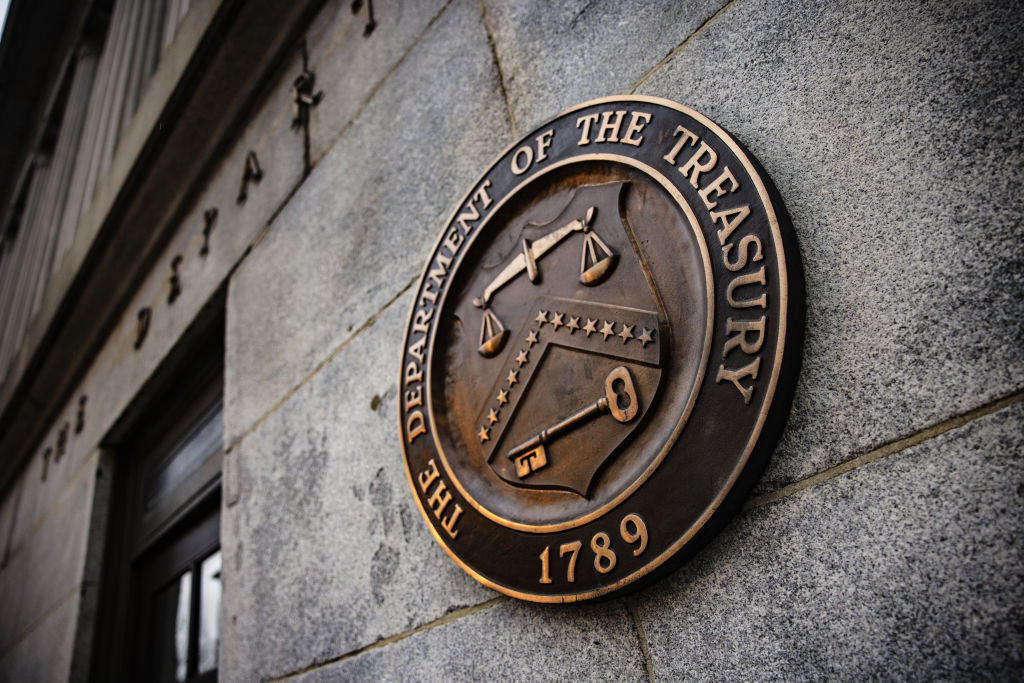
The proposal was issued by the Federal Reserve, Treasury Department, Office of the Comptroller of the Currency, Federal Deposit Insurance Corp., National Credit Union Administration, and the Treasury’s financial-crimes arm. It marks the latest step in implementing the Guiding and Establishing National Innovation for U.S. Stablecoins Act, known as the GENIUS Act.
The rule would require U.S. stablecoin issuers to meet Bank Secrecy Act obligations and maintain customer identification programs designed to combat money laundering, illicit finance, and terrorism financing. For stablecoin firms, that means identity checks are becoming a core operating requirement rather than a compliance add-on.
The proposed standards “must include reasonable procedures for: (1) verifying the identity of any person seeking to open an account to the extent reasonable and practicable; (2) maintaining records of the information used to verify a person’s identity, including name, address, and other identifying information; and (3) determining whether the person appears on any lists of known or suspected terrorists or terrorist organizations provided to the financial institution by any government agency.”
How Would The Rule Change Stablecoin Issuer Compliance?
The proposal would place permitted payment stablecoin issuers inside a more formal anti-money laundering framework. These issuers would need procedures to identify customers, keep records, screen users against government lists, and show regulators that their controls are reasonable and enforceable.
That moves the stablecoin market deeper into the regulated financial system. The GENIUS Act already gave U.S. stablecoin issuance a statutory framework. The proposed rule now begins to define what compliance will look like in practice for firms issuing dollar-based payment tokens.
The process is still not complete. The Fed and other agencies opened a 60-day public comment period for the proposed rule. The current stage is a notice of proposed rulemaking, which allows regulators to collect industry feedback before issuing final joint rules and beginning enforcement.
The agencies had already sought early feedback in September through a preliminary document tied to GENIUS Act implementation. The Treasury received 450 comments, showing how closely issuers, banks, fintech firms, exchanges, and compliance teams are watching the rulemaking process.
Investor Takeaway
The proposed rule does not ban stablecoin activity or slow the GENIUS Act rollout. It makes identity verification a central condition for regulated stablecoin issuance, raising the compliance bar for crypto-native issuers and traditional financial firms entering the market.
Why Does Secondary Market Activity Matter?
The most important unresolved question is whether customer identification requirements should extend beyond issuer accounts and into secondary market activity. That would affect transactions involving wallets, exchanges, brokers, payment apps, and other digital asset service providers after a stablecoin has already entered circulation.
Fed Governor Michael Barr raised that concern directly. “I remain concerned, however, that the GENIUS Act regulatory framework does not do enough so far to address the risks of illicit finance conducted through secondary market transactions in payment stablecoins,” Barr said.
Barr said that while some digital asset service providers are subject to anti-money laundering and anti-terrorist financing rules in their home jurisdictions, bad actors can still evade restrictions and operate without detection when transacting in digital assets.
His statement makes the secondary market question central to the next stage of the debate. A stablecoin issuer can verify a customer at the point of issuance, but tokens can then move through exchanges, wallets, offshore platforms, DeFi protocols, and peer-to-peer transfers. Regulators are now weighing whether issuer-level controls are enough when most activity may occur after issuance.
The 130-page proposal asks whether any customer identification program requirement should be extended to secondary market activity, in what circumstances, and what the benefits and drawbacks would be. That question could determine whether stablecoin regulation remains focused on issuers or expands into a broader transaction-monitoring regime.
What Are The Market Implications For Stablecoin Issuers?
The rulemaking lands as competition in stablecoins continues to increase. Crypto-native firms such as Tether and Circle still dominate the market through USDT and USDC, but traditional financial firms are moving into dollar-based token products as regulation becomes clearer.
For established issuers, formal identity standards could strengthen institutional trust and make stablecoins easier to integrate with banks, payment companies, and regulated trading platforms. Clearer rules may also reduce legal uncertainty for firms that want to issue or use payment stablecoins in the United States.
The cost is heavier compliance. Issuers will need stronger onboarding systems, recordkeeping, screening controls, legal teams, and audit trails. Smaller firms may find it harder to compete if compliance costs rise faster than transaction volume or reserve income.
The secondary market issue is the bigger long-term risk. If regulators eventually extend identification requirements deeper into wallet or exchange activity, stablecoin firms could face more complex monitoring obligations and tighter relationships with intermediaries. That may support institutional adoption, but it could also reduce some of the open-access features that made stablecoins attractive to crypto users in the first place.
The direction is clear even if the final rule is not. U.S. regulators are treating stablecoins less like experimental crypto products and more like financial infrastructure. The GENIUS Act brought payment stablecoins into federal law. The proposed identity rule begins to define the operating costs of being regulated.