Markets posted broad losses on Oct. 14, with the S&P 500 falling just over 1%, the Nasdaq dropping 1.9% and the Dow Jones Industrial Average closing modestly lower. The declines came as investors weighed a hotter-than-expected inflation report, rising oil prices and growing uncertainty around Federal Reserve policy.
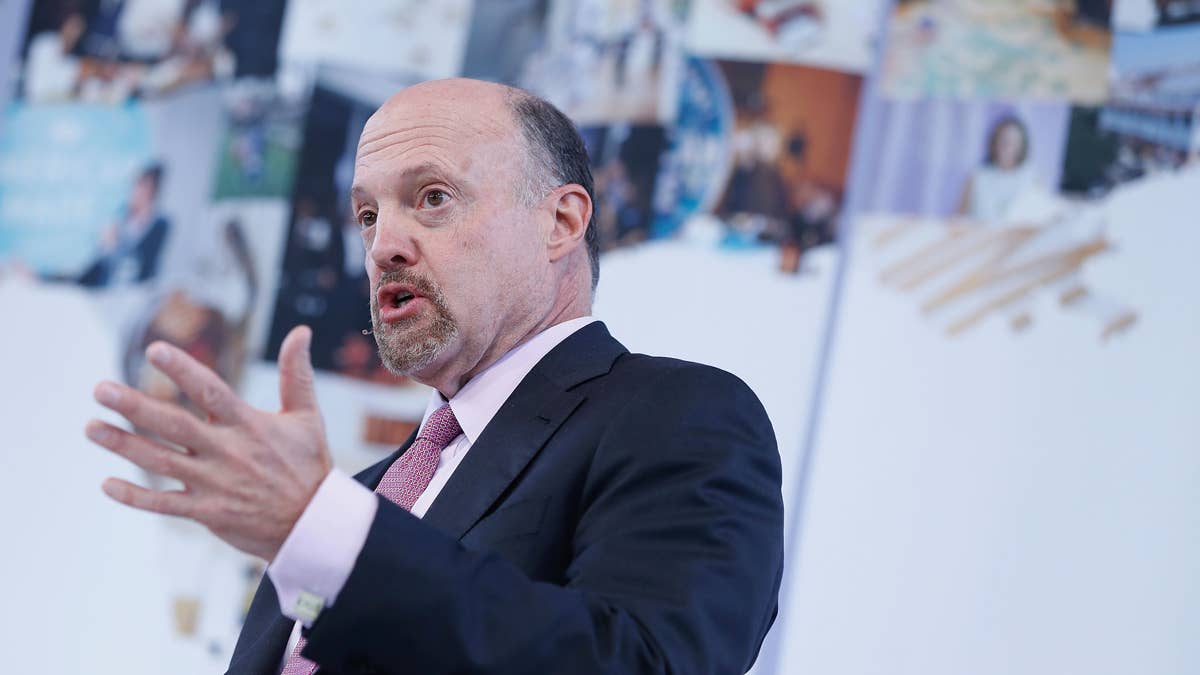
The session offered few clear signals. Strong quarterly results from two widely followed companies failed to support their shares, Treasury yields moved in ways that contradicted historical patterns, and geopolitical risk added another layer of pressure. Jim Cramer watched all of it and offered a direct response.
The CNBC host told investors to stay in the market. He argued that attempting to time an exit during a confusing stretch could prove far more costly than riding out the volatility.
Also read: Jim Cramer spots something investors may be missing on Wall Street
Why staying invested matters
The foundation of Cramer’s argument was JPMorgan Chase research tracking S&P 500 returns over a 20-year period. An investor who put $10,000 into the index in 2005 and stayed fully invested through 2024 would have accumulated substantially more than one who missed the index’s 10 best trading days across those two decades.
The gap was not small. The investor who sat out just those 10 sessions ended with less than half the wealth of the one who stayed in throughout. Those best days, Cramer noted, rarely announce themselves in advance.
Investors who sell during a downturn often do so to prevent further losses. The sharpest single-day gains, though, tend to arrive during the same stretches of peak volatility. That is when sitting out the market feels like the only reasonable move.
Cramer said investors who “throw things away and go home” face a harder problem than avoiding further declines. Buying back in after a sharp recovery means paying more than an investor who never left, and the timing of that recovery is rarely predictable.
John Lamparski / Getty Images
Inflation is sending mixed signals
The September consumer price index rose 0.6% from the prior month, above analyst estimates. The report sent Treasury yields higher initially as investors priced in a more aggressive Federal Reserve response to the hotter-than-expected reading.
Yields reversed later in the session even as oil prices continued to climb. The divergence was notable. Hotter inflation typically keeps yields elevated by sustaining expectations for higher interest rates, but that relationship broke down Oct. 14 as bonds recovered ground.
Cramer said the conflicting data makes it difficult to gauge what the Fed will do next. Another rate increase could slow economic growth and weigh on corporate earnings.
Holding rates steady could allow long-term borrowing costs to drift higher on their own, with similar pressure on mortgages, consumer credit and business investment. Neither path offered a clear outcome for equity markets.
The failure of the inflation data to produce a consistent reaction across asset classes was itself a sign of how unsettled market conditions have become. Cramer said that when the data does not lead to predictable moves, making confident portfolio decisions becomes significantly harder.
Why strong earnings still sent stocks lower
Strong quarterly results failed to move stocks in the expected direction on Oct. 14. Earnings from two widely followed names came in ahead of expectations and still sent their shares lower, adding another layer of confusion to an already difficult Oct. 14 session.
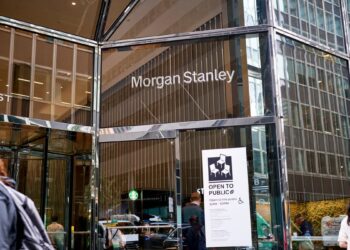
Morgan Stanley reported a solid quarter, and its shares fell nearly 3%. ASML Holding (ASML) posted strong results and signaled growing demand for its semiconductor equipment, but the stock reversed early gains and closed down 4% as selling spread across the chip sector.
More Jim Cramer:
- Jim Cramer says Scott Bessent is fighting a flood with one finger
- Jim Cramer spots something investors may be missing on Wall Street
- Jim Cramer calls one major data center play a no-brainer buy
The session suggested something other than a fundamentals-driven selloff. Some investors appeared to be trimming positions in high-expectation names regardless of what the earnings showed. Others seemed to be cutting exposure to rate-sensitive sectors ahead of a potential Fed move.
Cramer said the combination of ambiguous economic data and unrewarded earnings makes it “very hard to have conviction.” He argued that this environment, where nothing seems to follow its usual logic, is exactly when investors are most vulnerable to making costly decisions.
Geopolitics could change the picture
Cramer pointed to the war with Iran as a wild card few investors are pricing correctly. A resolution, he said, could push oil prices sharply lower. That alone could take pressure off inflation without the Fed needing to act.
The scenario illustrates how quickly the current setup could shift. Oil prices, Treasury yields and inflation expectations have all moved in response to the conflict. Each could reverse meaningfully if the geopolitical situation changes, and that reversal could arrive faster than most investors expect.
Making permanent portfolio decisions based on where oil is trading today, or what the latest inflation report showed, carries real risk. A ceasefire, a diplomatic development or a shift in supply could reprice those variables faster than individual investors can reposition.
Cramer’s broader point was that investors are navigating an unusual concentration of simultaneous uncertainty. Inflation, interest rates, corporate earnings and geopolitics are all sending incomplete or conflicting signals at the same time, which is precisely when patience tends to matter most.
What Cramer says investors should do right now
Cramer’s argument was not that investors should ignore risk. It was that abandoning equities during a volatile period introduces its own form of risk, one that does not show up in any single trading session’s loss column but compounds over years.
The JPMorgan data puts a concrete number on that risk. Missing even a small number of the market’s best days can cut long-term returns dramatically. The problem is that those days cannot be predicted, and investors who exit the market during periods of stress are statistically likely to miss at least some of them.
A long-term allocation built around diversified holdings, regular contributions and periodic rebalancing gives investors the best chance of capturing those returns without having to predict market timing. Dollar-cost averaging into positions over time reduces the effect of any single entry point on long-run outcomes.
History offers little comfort to investors waiting for a clear signal before buying back in. The best sessions rarely follow a period of calm. Cramer’s argument is simple: investors already in the market do not have to time the recovery.
Related: Jim Cramer just made a shocking call on Amazon stock