The last time the 10-year Treasury yield was below 4% was on Feb. 27, when the yield was 3.95%.
Had you completed the purchase of a home that day with a $300,000, 30-year loan, the mortgage rate would have been around 5.99%. And you were looking at a principal-and-interest payment of $1,795 a month.
The next day, the United States and Israel attacked military bases all over Iran. Oil prices jumped. So did gasoline and diesel prices.
The war has persisted in fits and starts for seven months. In addition to oil and diesel prices, overall inflation and interest rates are higher, even as U.S. economic activity remained resilient.
And, in a Sept. 23 report, economic consulting giant S&P Global said global output was growing at the fastest rate in more than five years.
Despite the war, despite the stress.
That was far faster than anyone expected. So, investors in U.S. Treasury securities promptly pushed the 10-year yield to as high as 5.14% before it fell back to 5.12% — a level not seen in about 19 years, The Wall Street Journal reported.
The result: Financing your new home just got more expensive. Getting that $300,000 might require a rate of about 7.26%, which translates into a monthly payment of $2,049.
The payment, we’re sorry to say, is up 14.2% from what you thought you might be paying if you’d been able to close the sale on Feb. 27.
The rate is the highest on a 30-year loan since basically May 2024, according to data from Mortgage News Daily.
10-year Treasury yield soars amid that darn war
You are now conducting your life in an environment dominated by the Federal Reserve’s concerns about sticky inflation and, of course, those deep concerns about the ongoing Middle East war.
The latter has pushed global oil prices up more than 60% this year.
Related: Why $5 gasoline is about to force a major holiday shift
Average U.S. gasoline prices are holding stubbornly above $4.45 per gallon, according to data from both AAA Fuel Prices and GasBuddy.com.
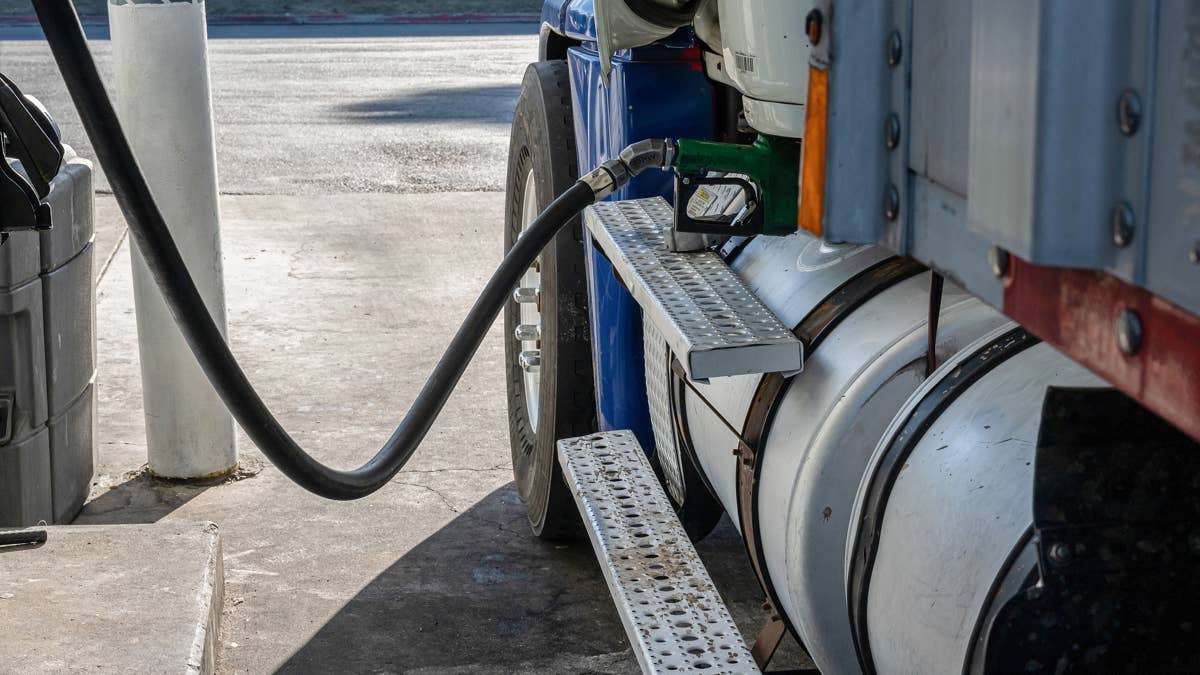
Diesel prices, averaging $6.514 a gallon nationally, are up about 83% in 2026 and 74% since the war erupted, AAA data shows.
The economy is going through a big-time reset
Needless to say, homebuyers and sellers have become dismayed by the wrenching changes in the economic environment.
So have home builders, home lenders, and retailers, such as Home Depot and Lowe’s, whose businesses closely track the housing market.
More economy
- Flash PMI signals strong economy, but raises inflation worries
- Dollar General CEO drops hot take on inflation and $100,000 earners
- Goldman Sachs delivers its verdict on inflation and jobs
Investors were also dismayed by the Sept. 23 uptick in bond yields.
U.S. stocks fell quickly, with the Standard & Poor’s 500 Index off 0.8% to 7,706. The Dow Jones Industrial Average dropped 0.7% to 51,512, and the Nasdaq Composite Index slid 1.1%, to 26,936.
Futures trading suggests U.S. stocks will open lower and slide lower during the day.
The prod for higher rates currently starts from the Fed and Chairman Kevin Warsh, who vows to bring price stability to the United States. For Warsh, that means an overall inflation rate of 2% a year. The Fed has failed to meet that goal for at least 60 consecutive months.
Since Warsh took over as chairman in May, the Fed’s interest-rate statements have included this phrasing: The Fed “will deliver price stability.”
Bloomberg / Getty Images
The key questions for now, besides the war
All the market turmoil this week (and, really, for much of the summer) leads to two questions:
Is this the high for interest rates? Sadly, no, according to Brian Moynihan, CEO of Bank of America Corp. The Fed will probably raise its key interest rate at least once more in 2026 after a quarter-point increase on Sept. 16, he told CNBC this week, as InvestingLive noted.
It’s now at 3.75% to 4%. Expect another rate increase in 2027. His evidence: Fed Governor William Barr pointedly told a Chicago audience this week: “Inflation is above our 2% target and not clearly trending toward target in a timely way.”
Will this bond revolt derail the economy? Maybe not yet, Ohsung Kwan, chief equity analyst at Wells Fargo, told CNBC in an interview. With all the projected investments coming in artificial intelligence, he said, “Amazing things will happen in 2027.” But 2028 was beginning to worry the bank.
One person probably won’t be happy about higher rates: President Donald Trump. For many months, he has called for interest rates to be cut substantially, including right after the Fed’s recent rate increase, its first in three years.
Home builders are already concerned
The National Association of Home Builders said on Sept. 16 that its most recent survey of builder sentiment showed builder confidence shrinking because of rising rates in particular.
Problems include rising materials costs, fuel and diesel costs, and labor shortages.
Related: Costco limits motor oil purchases as crude hits 4-month highs