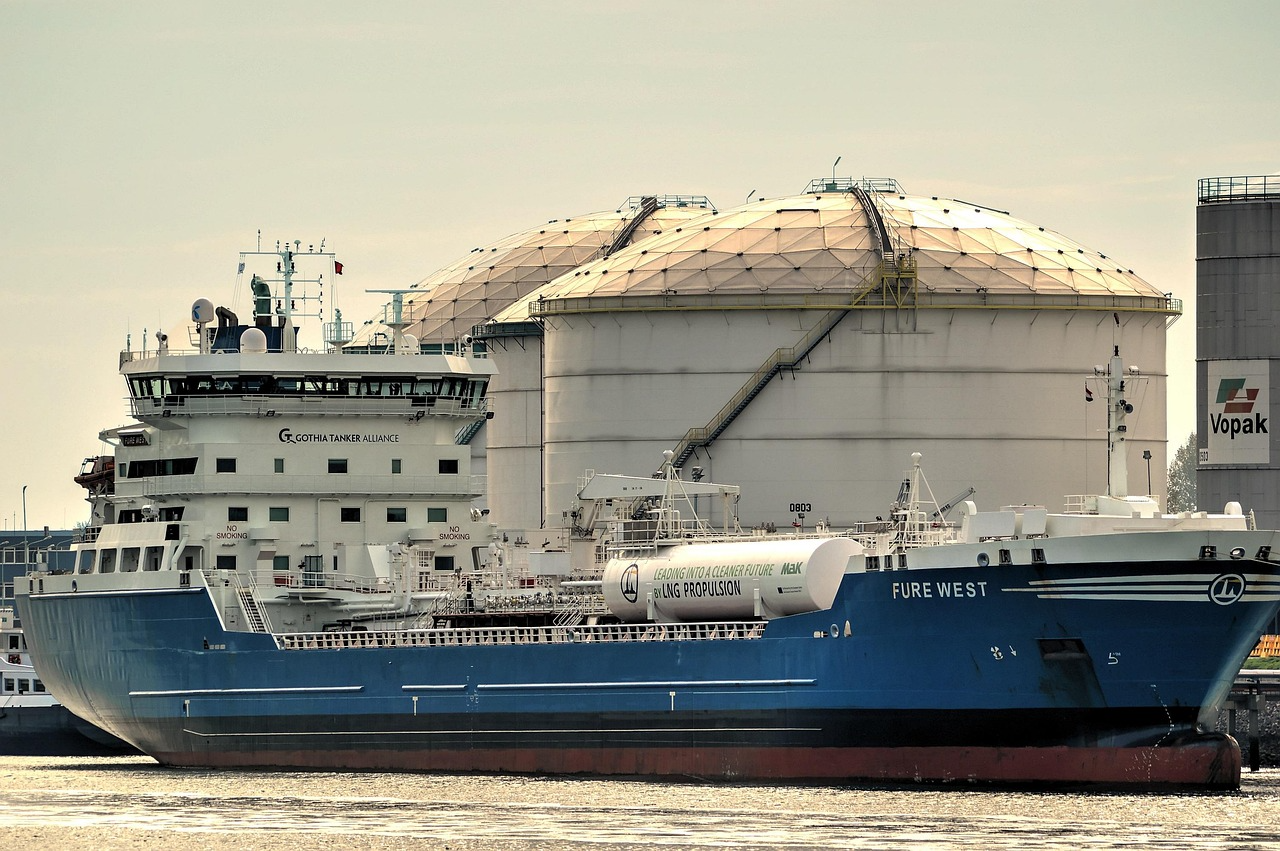
Updated 15 November 2026, 07:00 GMT. Brent crude futures go into the Sunday evening reopen at $95.84, Friday’s settlement, after a second straight weekly fall of about 2.5 percent (market reports based on Reuters data). The weekend added new risk: Iran said on Saturday that three oil tankers hit naval mines in the Strait of Hormuz, a claim the US military disputes. Verdict: the mine claims give Brent an upside risk at the open, but the supply surplus that drove two weekly losses has not changed. Reference levels for the week: $98 above, $91 below.
Key facts
- Last settlement: Brent $95.84 on Friday 13 November, up 2 cents; WTI $88.56, down 0.2 percent (Kitco, market reports).
- The week: down about 2.5 percent from the $98.32 settlement on 6 November, Brent’s second weekly loss in a row.
- The week’s low: Tuesday’s $91.49 settlement, the lowest since August.
- Saturday’s news: Iran’s navy and Revolutionary Guards said three tankers hit mines and caught fire in the strait after using routes Iran had not authorised. No vessel has been named (Manila Times, Oman Observer, citing Iranian state media).
- US position: the US military says it has cleared the strait’s main routes of mines and that the waterway is open to commercial shipping.
- Traffic: shipping through Hormuz is about 65 percent below pre-war levels, according to the latest UKMTO report.
What happened over the weekend
Brent does not trade on Saturday, so the weekend news has not yet been priced. Iran’s navy and the Revolutionary Guards said two tankers were hit in the south of the strait and a third to the east, and that ships using routes without Iran’s approval would be set on fire by naval mines. Tehran has told vessels they need its permission to cross during the conflict. The US military disputes the claims and says the main routes are clear.
The United Nations said on 14 November that 25 seafarers have been killed in and around Hormuz since the US-Israel war on Iran began in February (Al Jazeera). Israeli Prime Minister Benjamin Netanyahu said it was time to remove the Iranian threat once and for all, according to CBS News. Neither statement changed the supply picture on its own, but both make an early deal on Hormuz look less likely.
There was no confirmation from Saudi Arabia of damage from the Houthi attack claims of 12 November on the East-West pipeline and Yanbu. The Saudi-led coalition said it intercepted two drones, and Aramco has made no statement. That pipeline carries about 4 million barrels a day of crude to the Red Sea, Saudi Arabia’s main route around Hormuz.
Why Brent fell for a second week
Reuters put the weekly decline down to signs of a growing supply surplus and to the US blockade of Iranian oil, which lowered fears of a renewed direct war. President Donald Trump said a deal with Iran was not needed and that the blockade stays. The International Energy Agency said the market is back in surplus as Gulf exports recover, and US government data showed crude and fuel stocks rising.
Thursday showed how fast the risk premium can come back. Brent jumped 3.3 percent to $95.82 on the Houthi claims and Iranian reports of tanker explosions, then held that level on Friday without adding to it. Our Saturday Brent page covers Friday’s session. Higher US interest-rate expectations are a further headwind: hot inflation data last week raised bets on a December Fed rate increase, and gold posted a steep weekly loss as Treasury yields rose (Kitco). Our gold page covers the rate outlook.
The week ahead: what can move Brent
Hormuz, from the open. If ship trackers or insurers confirm Saturday’s mine strikes, Brent could open higher and test $98. If the claims go unconfirmed, as several earlier ones have, the market is likely to fade them as it did on Friday.
US inventory data. The Energy Information Administration’s weekly petroleum report, normally out on Wednesday, is the next read on demand after recent builds.
OPEC+ on 29 November. The group kept December output targets unchanged on 1 November. The full ministerial meeting on 29 November will set policy for 2027, and Rystad Energy’s Jorge Leon called it the much more important test. Talk of restoring more halted output before that meeting would weigh on prices.
Brent price: bull, base and bear
| Scenario | Brent | What has to happen | Anchor |
|---|---|---|---|
| Bear | $91 | The mine claims go unconfirmed, US stocks build again and supply-surplus talk returns. | Tuesday’s $91.49 settlement, the lowest since August; about 4.5 percent below $95.84. |
| Base | $94-$97 | The weekend news adds a small premium that fades, and Brent trades around last week’s settlements. | Thursday’s $95.82 and Friday’s $95.84 settlements, and Friday’s $96.67 intraday high. |
| Bull | $98 | Tanker damage is confirmed, traffic through Hormuz falls further or Saudi exports are hit. | The $98.32 settlement on 6 November; about 2.6 percent above $95.84. |
The bear case sits below the current price. These are reference levels measured from Friday’s settlement, not forecasts.
What to watch
- Sunday evening: the futures reopen and price Saturday’s mine claims.
- Shipping data: any vessel names, insurer notices or UKMTO updates on the three tankers.
- Wednesday: the EIA weekly petroleum status report.
- $91.49 and $98.32: last week’s low settlement and the previous Friday’s settlement.
Quick take: Brent settled at $95.84 on Friday after a second weekly loss. Iran’s Saturday claim that three tankers hit mines in Hormuz is the first thing the market will price when futures reopen on Sunday evening; the US says the routes are clear. Supply surplus points lower, tanker risk higher. $91 is the downside reference, $98 the upside.
FAQ
What is the Brent crude oil price today?
Brent futures do not trade until Sunday evening. The last settlement was $95.84 on Friday 13 November, up 2 cents.
Did oil go up or down this week?
Down. Brent fell about 2.5 percent from the $98.32 settlement on 6 November, its second straight weekly loss, according to Reuters data.
What happened in the Strait of Hormuz this weekend?
Iran said on Saturday 14 November that three oil tankers hit naval mines and caught fire after using routes it had not approved. The US military disputes the claims and says the main routes are clear of mines.
What is the WTI price?
WTI settled at $88.56 on Friday, down 0.2 percent.
Why has oil been falling?
Reuters cites a growing supply surplus, higher OPEC+ output, rising US inventories and the US blockade of Iranian oil, which lowered fears of a wider war.
When is the next OPEC+ meeting?
The full OPEC+ ministerial meeting is on 29 November and will set production policy for 2027. The group kept December targets unchanged on 1 November.
Sources: Kitco and market reports based on Reuters data, 13 November 2026 (settlements, weekly change); Reuters via Investing.com and CNBC, 13 November 2026 (drivers of the weekly fall); Manila Times and Oman Observer, 15 November 2026, citing Iranian state media (mine claims, US position, UKMTO traffic estimate); Al Jazeera, 14 November 2026 (UN seafarer figure); CBS News (Netanyahu remarks); The New Arab and Yemen Monitor (Houthi claims, coalition statement); OPEC and Engineering News (OPEC+ decisions and Rystad comment).
Disclaimer: This article is for informational purposes only and does not constitute financial or investment advice. Commodity prices are volatile. Do your own research and consult a licensed financial adviser before making investment decisions.