The Federal Reserve held interest rates steady on Oct. 28, and that’s the part most investors noticed. The more telling move was buried in the policy statement, where the Fed swapped a single word in its description of the economy, according to The Motley Fool.
The Fed doesn’t choose its words lightly, and this one points in a clear direction. Traders now see a strong chance of another hike at the Dec. 8-9 meeting. For anyone holding stocks, bonds, or a retirement account tied to the market, it’s worth paying close attention.
Fed says economic activity is expanding at a ‘solid’ to ‘strong’ pace
The change was subtle. The October statement upgraded its view of economic activity from expanding at a “solid pace” to a “strong pace,” while leaving most of the rest of the text unchanged.
Two officials, Cleveland Fed President Beth Hammack and Governor Lisa Cook, dissented in favor of another quarter-point hike.
Also read: Fed sends warning to American homeowners, cardholders
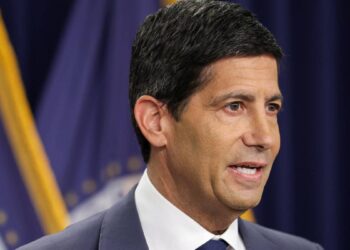
Fed Chair Kevin Warsh echoed that language at his press conference. “Economic activity is expanding at a strong pace,” he said, before adding, “But inflation is too high,” according to the Federal Reserve. He also noted that energy and related prices “have moved higher again in recent weeks.”
Warsh refused to tip his hand on December, though. Asked about another hike, he said he doesn’t believe in forward guidance “absent exigent circumstances, absent a crisis,” adding, “I also don’t believe in prejudging meetings.”
Instead, he said the information coming in over the coming period “will help us determine where we want policy to be.” That leaves the door open without promising anything.
Markets have filled in the blanks. The CME FedWatch Tool showed traders pricing in a greater-than-70% chance of a quarter-point hike in December, and the October decision was widely described as a “hawkish hold.”
With the economy described as strong, the case for waiting gets weaker.
How the rate hikes moved up to 2026 from 2027
Not long ago, investors weren’t expecting any hikes until well into 2027, and that hope helped fuel the stock rally early this year. The Iran war changed that math by sending oil prices sharply higher.
The Fed responded in September. It raised rates by a quarter point to a range of 3.75% to 4% on Sept. 16, its first hike since 2023, and 16 of 18 policymakers projected at least one more increase before year-end in the dot plot, according to TheStreet. The Dow dropped more than 800 points that day.
Then came a jolt from the inflation data. Consumer prices rose 3.7% from a year earlier in September, while gasoline jumped 9.1% in that month alone and was up about 34% over the past year, according to the Bureau of Labor Statistics.
Core inflation, which strips out food and energy, was a calmer 2.6%.
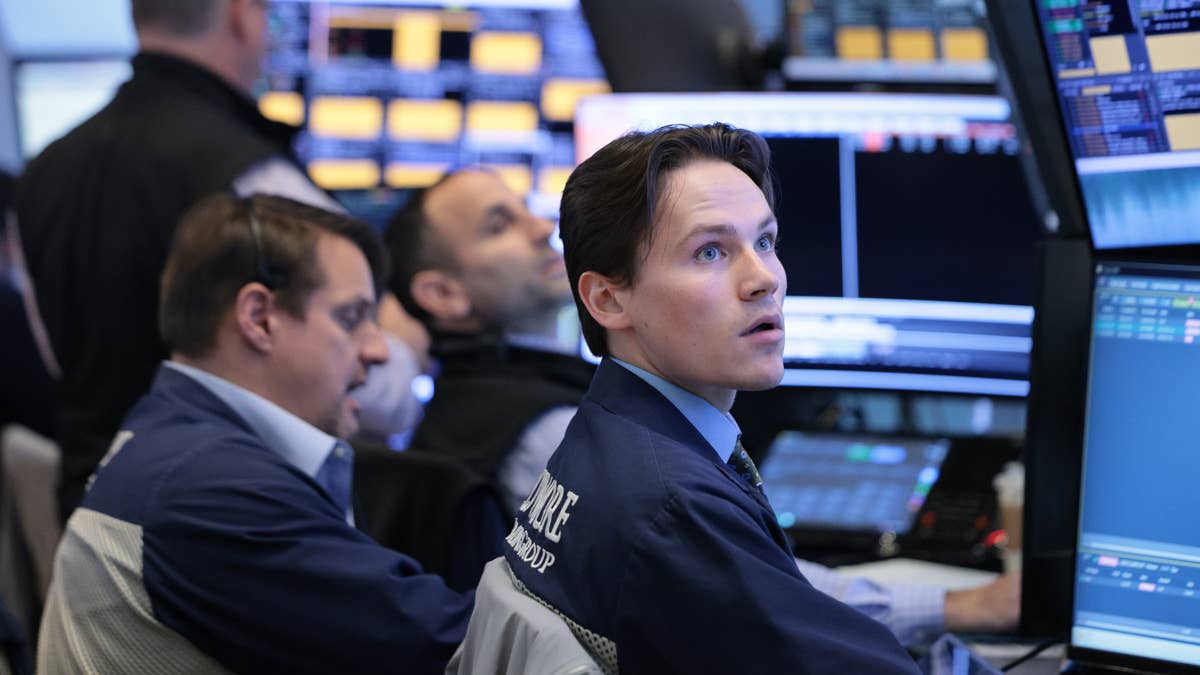
Bond markets reacted quickly. The 10-year Treasury yield rose as high as 5.34% in early October, its highest level since 2007, as oil prices, heavy government borrowing, and solid growth kept rate expectations elevated.
Higher long-term rates feed straight into mortgages, car loans, and business borrowing, so the pain spreads well beyond Wall Street.
Michael M. Santiago / Getty Images
Growth is the strongest argument for another hike
The economy itself may be the Fed’s biggest reason to act.
Real GDP grew at a 3.4% annual rate in the third quarter, up from 2.2% in the second, driven by business investment, consumer spending, and government outlays, according to the Bureau of Economic Analysis. That’s the kind of number that makes the Street wonder whether things are running too hot.
Some of that growth came from areas that may not last. Business investment was driven mainly by inventories and equipment, especially computers, which lines up with the AI building boom.
Prices measured in the report also cooled from the second quarter. Still, the overall picture backs up the Fed’s decision to upgrade its wording.
The worry is what fast growth does to prices. When the economy runs hot, it tends to push inflation higher, and inflation is already well above the Fed’s 2% target. If growth keeps up this pace, price pressures could build further.
More Federal Reserve:
- J.P. Morgan sees Fed rate hikes going out with a bang this year
- October Fed rate hike hinges on two looming economic reports
- Scott Bessent sends signal on Kevin Warsh Fed rate hike
Wall Street has been bracing for this. J.P. Morgan expects one more hike, most likely at the December meeting, with chief U.S. economist Michael Feroli saying, “Inflation continues to look supply-shock driven,” as reported by TheStreet.
Bank of America has gone further, questioning whether three hikes this year would be enough to bring inflation back to target. BofA has also argued that a strong economy raises the risk of stubborn inflation but lowers the risk that hikes tip the country into recession.
What investors can do now
Higher rates tend to lift short-term Treasury yields first. That’s why some investors are looking at floating-rate Treasury funds, such as the WisdomTree Floating Rate Treasury ETF, whose payouts adjust fairly quickly when the Fed moves, according to The Motley Fool.
Stocks are a trickier call. Moderate hikes aren’t necessarily bad for equities, but a 10-year Treasury yield at 5% has been named as the biggest risk that could derail the market. Floating-rate securities and shorter-term bonds offer ways to lower rate risk in a portfolio.
Strong growth is a double-edged sword here. A healthy economy is good news, but if it grows fast enough, the Fed will likely try to cool it down. Mortgage rates have already climbed above 7%, and they could rise further ahead of the December meeting. As long as inflation stays elevated and the Iran conflict drags on, investors should be ready for a bumpier ride.
Related: The Fed has a new warning for Wall Street and the stock market