What Did Samsung Confirm About Stablecoins?
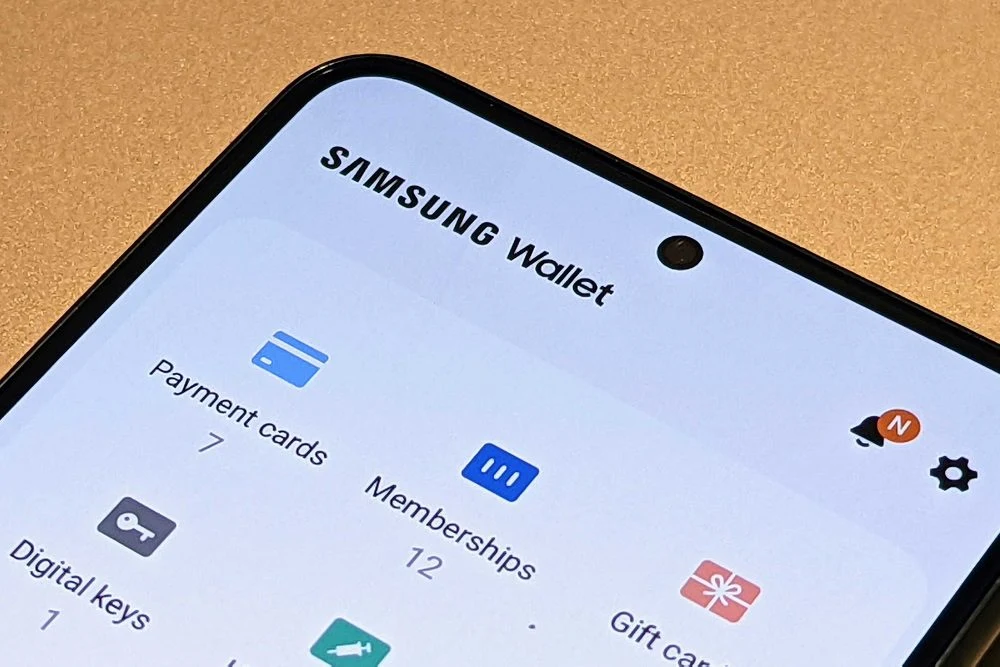
Samsung confirmed that Samsung Wallet will add native support for stablecoins, potentially placing digital dollars inside an app already used for payment cards, identification documents, hotel keys and boarding passes.
The company disclosed the plan at its Galaxy event in London on July 22. A presentation mockup showed Circle’s USDC alongside conventional payment and travel products, confirming that Samsung has progressed beyond merely discussing stablecoins as a possible future feature.
Samsung has not, however, named a stablecoin issuer, blockchain network, launch market or release date. It has also not explained whether users will be able to hold and transfer stablecoins directly or whether Wallet will redirect them to an account operated by another company.
The difference will determine whether Samsung is entering digital asset payments or simply creating another connection to an outside crypto service. A full wallet function could allow users to receive, store and spend tokens without downloading a dedicated exchange app. A partner handoff would leave most custody and transaction activity outside Samsung’s system.
Does The USDC Mockup Confirm A Circle Partnership?
USDC was the only stablecoin shown during the demonstration, but neither Samsung nor Circle has confirmed a commercial agreement. The image therefore indicates a possible product direction rather than a final decision about which token will be supported.
The issuer selection will matter because stablecoins are claims on reserve assets managed by private companies. The issuer determines how reserves are held, how tokens can be redeemed and what legal protections apply when transactions are frozen or accounts become inaccessible.
A default token inside Samsung Wallet could gain visibility across a large device base, particularly among users who have never opened an account with a cryptocurrency exchange. That advantage would depend on how prominently the token appears and whether Samsung allows payments and transfers without requiring several additional registration steps.
Samsung has also not identified the blockchain that would process transactions. USDC operates across several networks, each with different fees, settlement speeds and wallet requirements. Network selection could affect whether the feature is suitable for everyday payments or primarily serves as a gateway into another financial application.
Investor Takeaway
Samsung has confirmed the distribution channel but not the financial structure behind it. The feature will matter most if users can hold, send and spend stablecoins directly rather than being transferred to an outside provider.
Who Will Control Users’ Stablecoins?
The largest unresolved issue is custody. Samsung has not said whether it or a regulated partner will control users’ funds, or whether users will manage their own private keys through a non-custodial system.
A custodial service would offer familiar account recovery and customer support but would require a company to safeguard the assets and comply with identity checks, transaction monitoring and lawful freezing orders. A non-custodial system would give users greater control while placing more responsibility on them to protect recovery credentials.
Samsung already has experience with device-based crypto security. Galaxy phones have supported cryptocurrency storage through the Knox security platform since 2019, including support for Bitcoin, Ether, Tron and Stellar. Galaxy users were later given the ability to connect hardware devices such as the Ledger Nano S.
The company also partnered with Coinbase in October 2025 to provide eligible U.S. Galaxy owners with access to Coinbase One through Samsung Wallet. That arrangement connected Samsung’s payment interface to a separate cryptocurrency platform. Native stablecoin support could move Samsung closer to the transaction layer, but only if the tokens are held or transferred within Wallet itself.
Can Samsung Turn Stablecoins Into A Mainstream Payment Tool?
Samsung presented the stablecoin plan alongside the Galaxy Card, its first U.S. credit card, issued by Barclays on the Visa network. The card offers 5% back on Samsung purchases and 3% on transactions made through Samsung Wallet, placing digital assets within a wider payments and rewards strategy.
The combined presentation suggests Samsung views stablecoins as another payment instrument rather than a separate crypto product. Integrating them beside cards and travel credentials could reduce the friction that has kept many consumers dependent on specialist wallets and exchanges.
Potential reach should not be confused with confirmed availability. Samsung’s target of 800 million devices running Galaxy AI by the end of 2026 does not represent Samsung Wallet usage or the number of customers who will receive stablecoin support. The company has not identified eligible phone models or markets, and the U.S. remains the only confirmed location for its earlier Coinbase integration.
Regulation will also shape the rollout. U.S. stablecoin providers face requirements under the GENIUS Act, while issuers and service providers in the European Union operate under MiCA. Samsung may need different partners, custody arrangements or supported tokens in each market.
The announcement gives stablecoins a potentially powerful route into consumer finance, but Samsung has so far confirmed only the front end. The issuer, custody model, blockchain and launch markets will decide whether the feature becomes a major new access point for digital dollars or a limited shortcut to services operated elsewhere.