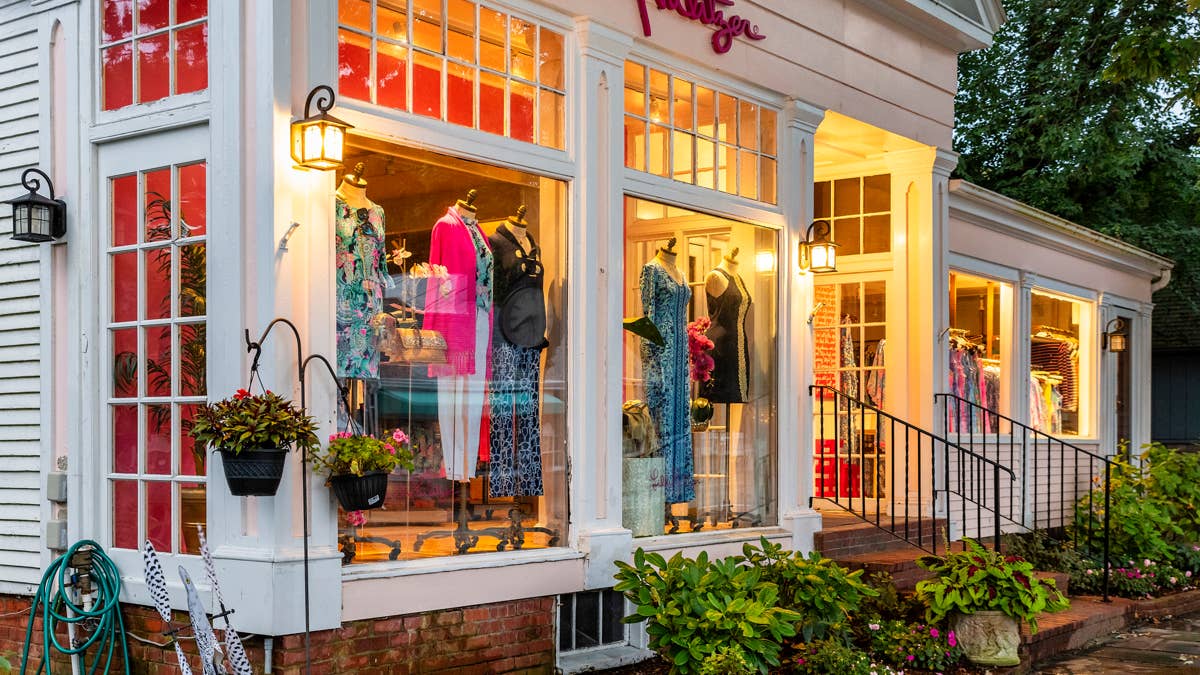
A well-known fashion brand is acknowledging that changes to its pricing and assortment pushed some customers away, and its parent company is now acting with “urgency” to address the problem as it contends with continued sales declines.
The company said weaker consumer sentiment has put pressure on discretionary demand, while changes to the brand’s pricing strategy moved its entry price points “too far too fast.”
Those challenges have contributed to weaker-than-expected results and prompted the company to lower its fiscal 2026 guidance. It is also preparing a major change to the brand’s assortment for spring 2027.
Founded in 1959 as a juice stand in Palm Beach, Florida, Lilly Pulitzer has developed into a recognizable American fashion brand known for its bright floral and tropical prints, preppy resort wear, and signature shift dresses. The brand also became associated with former U.S. First Lady Jacqueline Kennedy, who was photographed wearing Lilly Pulitzer designs.
Lilly Pulitzer has been owned by Oxford Industries since December 2010.
Lilly Pulitzer admits its mistakes
Oxford Industries (OXM) reported its second quarter of fiscal 2026, with results coming in below expectations and Lilly Pulitzer’s performance remaining “weak” throughout the quarter.
CEO Thomas Chubb said Oxford Industries had shifted Lilly Pulitzer’s pricing tiers “too far too fast” last year, particularly within its entry-price-point assortment.
“The core problem is the assortment, with the key issue being that we shifted far too much of our inventory investment out of our entry price points,” said Chubb during the company’s latest earnings call.
“The trends we are currently seeing indicate that those challenges have been more significant than we originally anticipated.”
The change had a noticeable impact on the brand’s lower-priced merchandise. Previously, dresses priced below $200 accounted for about half of Lilly Pulitzer’s styles, but that share fell to roughly 35%.
Chubb said some customers were willing to move up to a higher price point, but many were not.
The company is now working to restore a more balanced assortment and address what management identified as a key factor behind the brand’s recent weakness.
John Greim / Getty Images
Lilly Pulitzer’s new strategy to reverse declines
Lilly Pulitzer plans to substantially reshape its full assortment for spring 2027, which management said is the earliest season in which the company can make the changes at scale.
Until then, Oxford Industries is refining the brand’s marketing and messaging, adjusting its promotional cadence, and managing inventory and expenses more tightly.
“We will remain strategic and disciplined, using targeted promotional activity to support customer engagement and inventory sell-through while protecting the long-term integrity of the brand,” said Chubb.
“Promotions are 1 lever, but lasting improvement will also require stronger product relevance, marketing effectiveness, and execution.”
For spring 2027, Lilly Pulitzer will focus its strategy on four key areas:
- Pricing architecture
- Balance of print, pattern, and color
- Mix of intended-use occasions between social and casual
- Proportion of new versus continuing styles
Oxford Industries said it believes those changes will create a more balanced assortment and improve the brand’s ability to meet customer demand.
The planned changes will restore greater emphasis to lower entry price points, an area that management identified as a key weakness in the current assortment. By restoring greater emphasis to those tiers, the company is attempting to broaden its assortment and better serve customers who have been less willing to move to higher price points.
Oxford Industries earnings results
During the second quarter of fiscal 2026, Oxford Industries reported:
- Net sales: Declined 2.2% year-over-year
- Comparable sales: Fell 1%
- Retail sales: Down 3%
- E-commerce sales: Flat
- Lilly Pulitzer revenue: Decreased 5.6%
- Lilly Pulitzer store count: 70 full-priced retail stores
The weaker-than-anticipated results led Oxford Industries to lower its outlook for fiscal 2026.
The company now expects full-year sales of $1.43 billion to $1.47 billion, down from previous guidance, reflecting a more cautious view of consumer sentiment and the challenges facing its brands.
Oxford Industries also lowered its adjusted earnings per share outlook to a range of $1.60 to $2, compared with its previous expectation of $2.11.
Here’s some of my previous coverage of retail strategy:
- Nostalgic mall staple closes 14 stores amid major changes
- Aéropostale brings back classic fashion brand
- Victoria’s Secret closes 38 stores as customer tastes change
For Lilly Pulitzer, the next major test will come with the spring 2027 assortment. The company said the strategy will require improvements in product relevance, marketing effectiveness, and execution, in addition to changes to pricing and assortment.
Related: Popular mall retailer continues closing stores in 2026