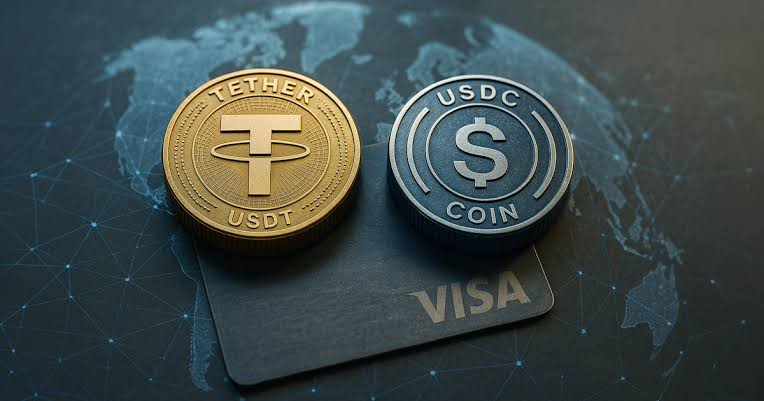
The Federal Reserve has proposed its first comprehensive regulatory framework for payment stablecoins under the GENIUS Act, establishing reserve, capital and risk-management requirements for issuers supervised by the central bank while creating a dedicated approval process for banks seeking to enter the market. The Fed released two proposals on September 24, filling in another major part of the federal stablecoin regime Congress established through the Guiding and Establishing National Innovation for U.S. Stablecoins Act.
The first proposal governs Board-supervised payment stablecoin issuers and would require tokens to be fully backed by permitted reserve assets, including short-term U.S. Treasury bills and other qualifying high-quality liquid assets. The second establishes procedures for Board-supervised insured banks applying for permission for a subsidiary to issue payment stablecoins. Both proposals remain subject to public consultation. Comments will be accepted for 60 days following publication in the Federal Register.
Stablecoins Must Be Fully Backed With Liquid Reserves
Reserve quality sits at the center of the proposed framework. Issuers supervised by the Federal Reserve would have to maintain eligible assets sufficient to fully back outstanding payment stablecoins, implementing the GENIUS Act’s requirement that regulated dollar tokens maintain reserves on at least a one-for-one basis. The Fed is also proposing standardized capital requirements intended to cover credit and operational risks arising from stablecoin activities. Separate risk-management standards would govern issuers’ operations, while additional provisions address Board-supervised companies responsible for safekeeping stablecoin reserve assets.
The framework also clarifies which stablecoin-related activities are permissible for banks supervised by the Federal Reserve. Governor Michael Barr supported advancing the proposal but emphasized that stablecoins need to remain redeemable at par even during periods of market stress. He specifically highlighted questions surrounding interest-rate and foreign-currency risks and said universal redemption rights would be important for maintaining public confidence. That issue becomes particularly important when reserves contain government securities. Treasury bills are highly liquid, but their market value can still fluctuate, creating potential liquidity considerations if an issuer faces unusually large redemption requests.
Banks Get Formal Route Into Stablecoin Issuance
The Fed’s second proposal establishes how supervised banks can apply to issue stablecoins through subsidiaries. Applicants would need to provide regulators with a business plan, financial information and other documentation demonstrating how the proposed operation would satisfy regulatory requirements. The framework would also establish procedures covering regulatory decisions, hearings and appeals. The proposals form part of a much broader implementation effort across U.S. financial regulators.
In June, the Federal Reserve, FinCEN, OCC, FDIC and NCUA jointly proposed rules requiring permitted payment stablecoin issuers to operate effective customer-identification programs under the Bank Secrecy Act. Other agencies have been developing their respective GENIUS Act frameworks, leaving the Fed responsible for rules covering issuers within its supervisory perimeter. The implications extend beyond crypto companies. The GENIUS Act creates a regulatory pathway through which conventional financial institutions can compete directly in dollar stablecoins, potentially allowing banks to integrate programmable digital dollars into payments, settlement and other financial products.
At the same time, the framework is designed to prevent stablecoins from operating like lightly regulated bank deposits. Full reserve backing, capital requirements, redemption protections and custody safeguards are intended to ensure issuers can meet customer claims even under stress. The September 24 proposals are not yet final rules, and requirements could change following public consultation. But they represent another major step toward making the GENIUS Act operational — and toward establishing the regulatory conditions under which federally supervised banks can participate directly in the rapidly expanding U.S. stablecoin market.