Commercial real estate has been one of the most punishing trades of the past three years. Office buildings half-empty. Cap rates reset sharply upward. Regional banks sitting on problem loans they’d rather not talk about. Most investors have been happy to stay far away.
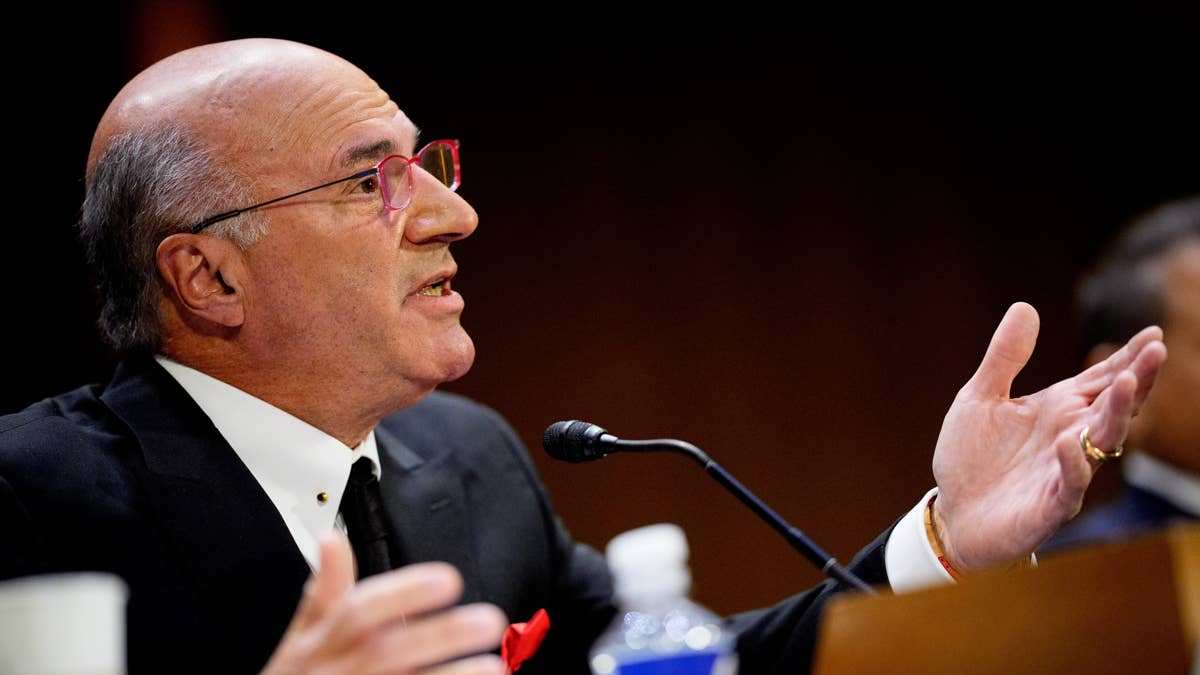
Kevin O’Leary isn’t most investors. On July 9, the Shark Tank star posted on X (the former Twitter) saying the same correction that scared everyone else out of the trade has created real buying opportunities.
But he brought a second message, too. It matters just as much as the opportunity call: the single move that can turn a bargain into a disaster.
What O’Leary sees in commercial real estate wreckage that others miss
Office properties took the hardest hit. Cap rates climbed from roughly 3% to 4% before the pandemic to somewhere between 5% and 9%, depending on the quality of the building, according to Benzinga. When cap rates move that much, property values get cut roughly in half. That’s the math.
“There’s been a collapse of 50% of value there, which means there’s opportunity,” O’Leary said in a video interview accompanying his X post.
More Personal finance:
- Dave Ramsey says one daily habit costs you $5,000 a year
- Estate plans for unmarried couples: Protect your partner, your wishes
- Estate planning for solo agers: How to protect yourself
The industry data back that up. The office market is now widely believed to have bottomed, vacancy rates are expected to drop below 18% this year, and lending activity was up 35% year over year heading into 2026, according to CNBC, citing Cushman and Wakefield data. Pricing has “largely reset.”
O’Leary is making the same call, just without the analyst report formatting.
The debt mistake O’Leary says he’s made before
The opportunity call is what gets attention. But the warning is what most people miss.
“I still love real estate, but I’ve learned the hard way that debt can destroy even the best investment,” O’Leary wrote on X. “The biggest mistake I see investors make is using too much debt. When markets correct or unexpected events happen, leverage can wipe you out.”
About $2.2 trillion in commercial real estate debt is coming due before 2028. Much of it was written when rates were in the 3% range. If you’re refinancing that debt today at 7% or 8%, the math on a lot of those deals just stops working.
That’s the trap O’Leary is warning about, and it’s already been playing out in office markets for two years.
When values fall and financing costs rise at the same time, owners can get trapped fast. They either inject more equity to keep the deal alive, refinance at punishing terms, or hand the keys back to the lender. That dynamic has played out in office markets across the country, and it’s still going.
O’Leary’s specific recommendation is to finance only about one-third of a property’s value, rather than the two-thirds that many buyers typically use. That lower leverage gives investors a much larger cushion if values drop further or if a recession hits. It also means you don’t get forced out of a trade right before it turns.
Andrew/Getty Images
O’Leary’s playbook for buying in the current office space market
O’Leary isn’t pitching distressed office towers. He’s talking about something much more manageable.
“My preferred approach is simple; buy properties in neighborhoods you know, keep leverage low, take care of your tenants, and think long term,” he wrote.
He suggested concentrating on five or six rental properties in areas where you actually know the streets, rather than chasing large commercial deals in markets you don’t understand.
Brooklyn, N.Y., came up as an example. Neighborhoods that looked rough a decade ago are now some of the most expensive real estate in New York City. He sees the same pattern playing out in other cities where values took a hit and haven’t fully come back yet.
He’s also big on fixing up what you buy rather than just sitting on it. Put money into the property, keep reliable tenants in it, and let the neighborhood do some of the work over time.
Why this is bigger than a real estate story
O’Leary has been making versions of this argument for a few years. The banking angle is why it keeps getting attention beyond real estate circles.
Regional banks hold a disproportionate share of commercial real estate debt. When those properties get stressed, the banks carrying those loans feel it. And when banks feel it, small-business lending gets squeezed.
It’s not just a property story. It connects directly to credit availability and small business funding in ways most people don’t think about when they see a vacant office building.
The Cushman and Wakefield data suggest the worst of the cycle may already be behind us, with confidence rebuilding and deal activity picking up. But distressed inventory is still out there for buyers willing to be patient.
O’Leary’s whole point is that patience only works if the debt structure lets you survive long enough to benefit from it.
Related: Kevin O’Leary faces backlash over AI mega-project