What Happened in Tether’s September 17 Blacklist Wave?
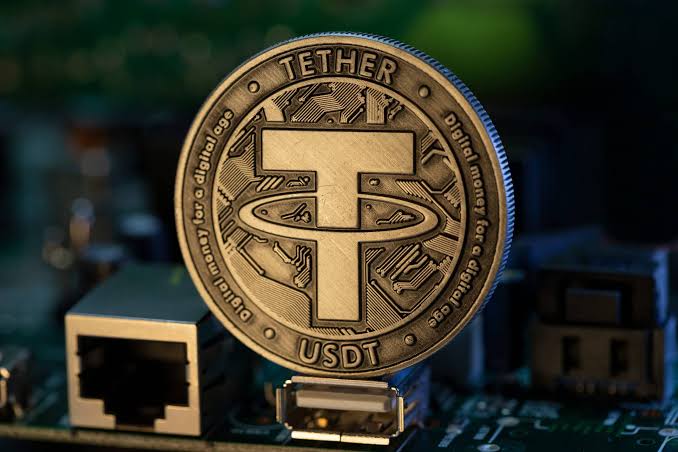
Eighteen cryptocurrency addresses holding approximately $3.75 million in USDT were blacklisted on September 17, with almost all of the frozen funds concentrated on the Tron network.
On-chain monitoring service USDTBanList recorded 17 newly restricted Tron addresses holding a combined $3.15 million and one Ethereum address containing approximately $600,103.
The largest individual freeze involved a Tron wallet holding $766,000.02. Other major balances included approximately $691,575, $600,103, $489,113 and $474,437. Those five wallets accounted for most of the day’s frozen USDT, making their funding sources and counterparties the most useful starting points for further attribution.
The activity follows another recent Tether blacklist wave involving $3.31 million across 15 Tron wallets, although there is no public evidence connecting the two groups of addresses.
USDTBanList also recorded 10 transfers worth approximately $138,800 sent to addresses that had already been blacklisted. The monitoring service categorizes those transactions as “lost funds” because USDT transferred to a restricted address can become inaccessible.
That description should not be interpreted as confirmation that all $138,800 has been permanently lost. Recovery can depend on the circumstances surrounding the restriction and any subsequent action by Tether or law-enforcement authorities.
Why Do the Post-Blacklist Transfers Matter?
The $3.75 million frozen balance is the larger headline number, but the $138,800 transferred after addresses were already restricted raises a different question: why did funds continue moving toward wallets whose status had changed on-chain?
Several explanations are possible. Individual users may not screen destination addresses before making transfers. Exchanges and payment providers may rely on risk databases that refresh periodically rather than immediately before execution. Businesses could also maintain internal lists of approved counterparties without continuously checking whether those addresses have subsequently been restricted.
None of those explanations has been established in the September 17 transactions. The sender addresses therefore matter more than the transfers themselves.
If the payments originated from unrelated self-custody wallets, the issue is largely one of user awareness. If multiple transfers came from the same exchange, payment processor, OTC operation or other centralized service, the transactions could provide a more useful test of how quickly its blockchain-screening controls react to new blacklist events.
Investor Takeaway
The larger compliance question is not simply how much USDT Tether can freeze. It is whether exchanges and payment systems can identify newly restricted counterparties quickly enough to stop funds reaching them after a blacklist event has already occurred.
Why Were the 18 Wallets Blacklisted?
There is currently no public evidence establishing why the September 17 addresses were restricted. A blacklist entry alone does not show that a wallet belongs to a sanctioned entity, fraud operation, hacker or money-laundering network.
Tether’s legal terms allow it to blacklist addresses and freeze tokens in connection with prohibited activity, legal requirements and other compliance concerns. The company has also repeatedly worked with law enforcement in investigations involving illicit cryptocurrency flows.
Earlier this month, U.S. authorities said more than $52 million in cryptocurrency had been restrained as part of an operation targeting Xinbi Guarantee and associated networks, while specifically acknowledging Tether’s assistance. Separately, approximately $39.3 million in USDT was frozen across wallets linked to Xinbi Guarantee.
Nothing publicly available connects the September 17 addresses with that investigation.
USDTBanList flags at least two of the larger Tron wallets as having previously interacted with addresses appearing in blacklist or sanctions databases. Such proximity can provide an investigative lead, but it does not establish ownership or wrongdoing. Exchanges, payment processors, OTC desks and other shared infrastructure can create blockchain connections between otherwise unrelated users.
Can Real-Time Payments Work Without Real-Time Compliance?
The post-blacklist transfers expose a wider problem as stablecoins move further into payments and settlement.
Blockchain transactions can operate continuously, but compliance data also changes continuously. An address considered acceptable when it was first added to an internal customer or counterparty list can become restricted minutes, hours or months later.
That creates tension between faster settlement and compliance screening. A payment system designed to move stablecoins instantly gains little from checking blacklist data that is several hours old.
The issue is different from a network security failure. During the recent Liquid Network disruption involving nearly 4,000 BTC, the problem centered on the infrastructure securing the network. USDT blacklisting instead relies on administrative controls built into the stablecoin’s token architecture, allowing addresses to be restricted while Tron or Ethereum continues operating normally.
The next useful evidence will come from tracing the 10 post-blacklist transfers and the major counterparties of the largest frozen wallets. If several transactions lead back to one service, the September 17 activity becomes more than another Tether freeze. It becomes a practical test of whether crypto compliance systems can update as quickly as the money they are supposed to monitor.