Updated 6 November 2026, 07:30 GMT. Brent crude futures rose 1.67 percent to $99.90 a barrel early on Friday, and US West Texas Intermediate gained 1.43 percent to $91.69 (CNBC, 6 November). That is a second day of gains after Wednesday’s 9.73 percent crash to $93.52, when markets bet on a US-Iran settlement. Iran reported three more tanker attacks in the Strait of Hormuz on Thursday, and Wall Street’s AI sell-off pushed the S&P 500 down about 4.4 percent the same day. Verdict: Brent has recovered most of the way to $100, but it is still heading for a weekly loss of about 12 percent, and the October jobs report at 13:30 GMT adds a demand question. Reference levels: $93.50 below, $103.60 above.
Key facts
- Price: Brent $99.90, up 1.67 percent; WTI $91.69, up 1.43 percent (CNBC, published 05:06 GMT Friday). HDFC Sky, citing Oilprice.com, had Brent at $100.30 at 04:39 GMT.
- Thursday: Brent rose about 4 percent; Investing.com had it near $98.63, up 4.2 percent, after the US close.
- Wednesday: January Brent settled at $93.52, down $10.08 or 9.73 percent, on bets that Washington and Tehran were close to a deal (our Thursday Brent page).
- The week: Brent was on course for a fall of about 12 percent and WTI about 12.1 percent (HDFC Sky via Oilprice.com).
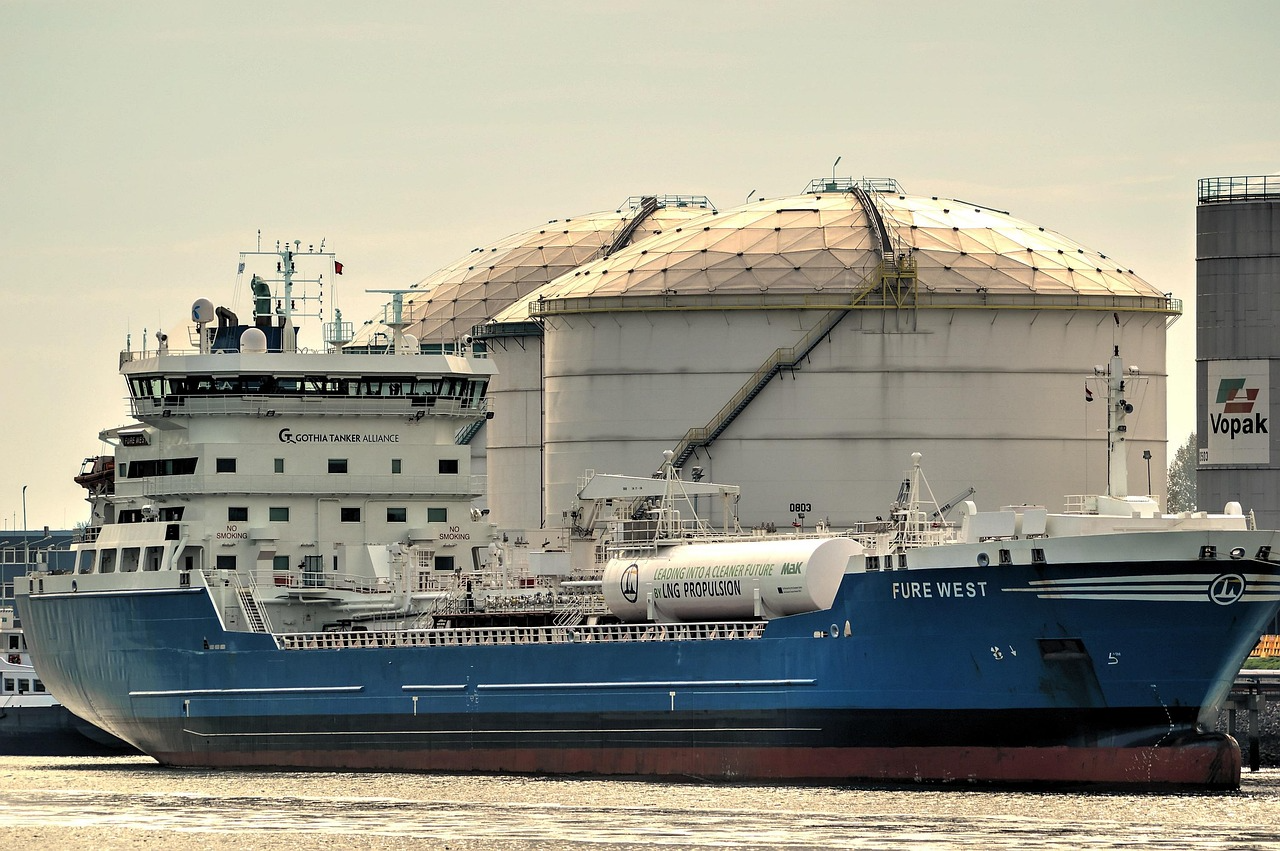
- Hormuz: Iran reported three more attacks on oil tankers in the Strait of Hormuz on Thursday, and UKMTO data shows attacks on shipping at a near-record rate (CNBC).
- Diplomacy: Iran reportedly sent a nuclear proposal to Washington through Qatar, according to Reuters, citing a senior Iranian official (via CNBC).
- Jobs: the US October payrolls report is due at 8:30 a.m. ET (13:30 GMT); the Dow Jones consensus is about 59,000 jobs (CNBC).
Why oil is rising again
Wednesday’s crash priced in a quick end to the US-Israeli war with Iran, now in its ninth month, after Democrats won both chambers of Congress and raised the pressure on Washington to settle. Two days later, the physical picture has not changed. Iran still controls traffic through the Strait of Hormuz, and ANZ senior commodity strategist Daniel Hynes said flows are running at less than 60 percent of capacity, according to HDFC Sky. He said traders now see Wednesday’s sell-off as excessive.
Bob McNally, founder and president of Rapidan Energy Group, told CNBC he sees an 80 percent probability that fighting resumes and that both benchmarks could climb back above $100. Explaining why a deal is hard, he said “the Iranian regime, on the other hand, is not willing to do it.” CNBC reported that Lombard Odier’s Samy Chaar and Luca Bindelli share that view.
The other side of the trade is the Iranian proposal sent through Qatar. If talks produce something concrete, the $93.52 low from Wednesday comes back into view quickly. Our desk’s Wednesday night Brent report covers the deal-bet side in more detail.
The Wall Street rout and the jobs report
Thursday’s equity sell-off hit AI and chip stocks hardest. The Nasdaq fell 5.52 percent into a correction and the S&P 500 lost about 4.4 percent (CNBC, Investing.com). On Friday Japan’s Nikkei 225 entered a bear market and South Korea’s Kospi fell more than 8 percent (CNBC). Oil rose through all of it, which shows how much of Brent’s price is about supply risk rather than demand.
The jobs report is where demand comes back in. A weak payrolls number would raise growth worries just as the stock market is falling. A strong one keeps a December Fed hike likely; CME FedWatch put the odds near 68-70 percent on Friday (Reuters via Business Recorder; CNBC). Higher oil also pushed gold lower overnight, as covered on our gold page.
Brent today: bull, base and bear
| Scenario | Brent | What has to happen | Anchor |
|---|---|---|---|
| Bear | $93.50 | The Qatar channel produces a credible framework for a deal, or a weak jobs report adds a demand scare. | Wednesday’s settlement of $93.52, the low of the crash; about 6.4 percent below $99.90. |
| Base | $97-$102 | Talks continue without a breakthrough and tanker attacks continue at the current rate. | Around the $100 level Brent reclaimed on Friday (HDFC Sky) and Thursday’s level near $98.63 (Investing.com). |
| Bull | $103.60 | Fighting resumes, as Rapidan’s McNally expects, and Hormuz flows fall further. | Tuesday’s settlement before the crash ($93.52 plus Wednesday’s $10.08 loss); about 3.7 percent above spot. |
The bear case sits below Friday’s price. These are reference levels measured from the verified futures price, not forecasts.
What to watch today
- The $100 line: a settlement above it would be Brent’s first since Tuesday.
- Payrolls at 13:30 GMT: a big miss would add a demand scare to a market already worried about stocks.
- Iran and Qatar: any official response from Washington to the reported proposal.
- Hormuz incidents: UKMTO reports and any further tanker attacks.
- The weekly close: Brent was on track for about a 12 percent weekly loss, so Friday’s settlement decides how much of the crash the market keeps.
Quick take: Brent is at about $99.90 on Friday, up for a second day after Wednesday’s 9.73 percent crash, because tanker attacks in Hormuz continue and analysts such as Rapidan’s Bob McNally doubt a quick US-Iran deal. It is still down about 12 percent on the week. Expect $97-$102 around the jobs report; $93.50 needs a real diplomatic step, $103.60 needs the fighting to resume.
FAQ
What is the Brent crude oil price today?
Brent crude futures were $99.90 a barrel early on Friday 6 November, up 1.67 percent, and WTI was $91.69, up 1.43 percent (CNBC). HDFC Sky had Brent at $100.30 at 04:39 GMT.
Why is oil going up today?
Iran reported three more tanker attacks in the Strait of Hormuz on Thursday, and analysts including Rapidan Energy Group’s Bob McNally see a high chance that fighting resumes (CNBC). ANZ’s Daniel Hynes said traders see Wednesday’s sell-off as excessive (HDFC Sky).
Why did Brent crash this week?
Brent fell 9.73 percent on Wednesday to $93.52 on bets that the US and Iran were close to a settlement after Democrats won both chambers of Congress in the midterms.
Is Brent above $100?
It is trading around it. CNBC had $99.90 and HDFC Sky $100.30 early on Friday. Brent last settled above $100 on Tuesday, before Wednesday’s crash.
How does the jobs report affect oil?
Payrolls are a signal for fuel demand and for the Fed. A weak number would add to growth worries after Thursday’s stock market rout; a strong one keeps a December rate hike likely. The report is due at 13:30 GMT.
What are the key Brent levels?
Wednesday’s low settlement at $93.52, the $100 line and Tuesday’s pre-crash settlement near $103.60.
Sources: CNBC, 6 November (Brent and WTI prices, Hormuz attacks, UKMTO data, Iran proposal via Reuters, Rapidan Energy Group and Lombard Odier views, Asian markets, payrolls consensus, FedWatch); HDFC Sky via Oilprice.com, 6 November (Brent at 04:39 GMT, weekly change, ANZ comment, Hormuz flows); Investing.com, 5 November (Thursday Brent level, index closes); Business Recorder (Reuters), 6 November (FedWatch odds); FinanceFeeds, 5 November (Wednesday settlement).
Disclaimer: This article is for informational purposes only and does not constitute financial or investment advice. Commodity prices are volatile. Do your own research and consult a licensed financial adviser before making investment decisions.