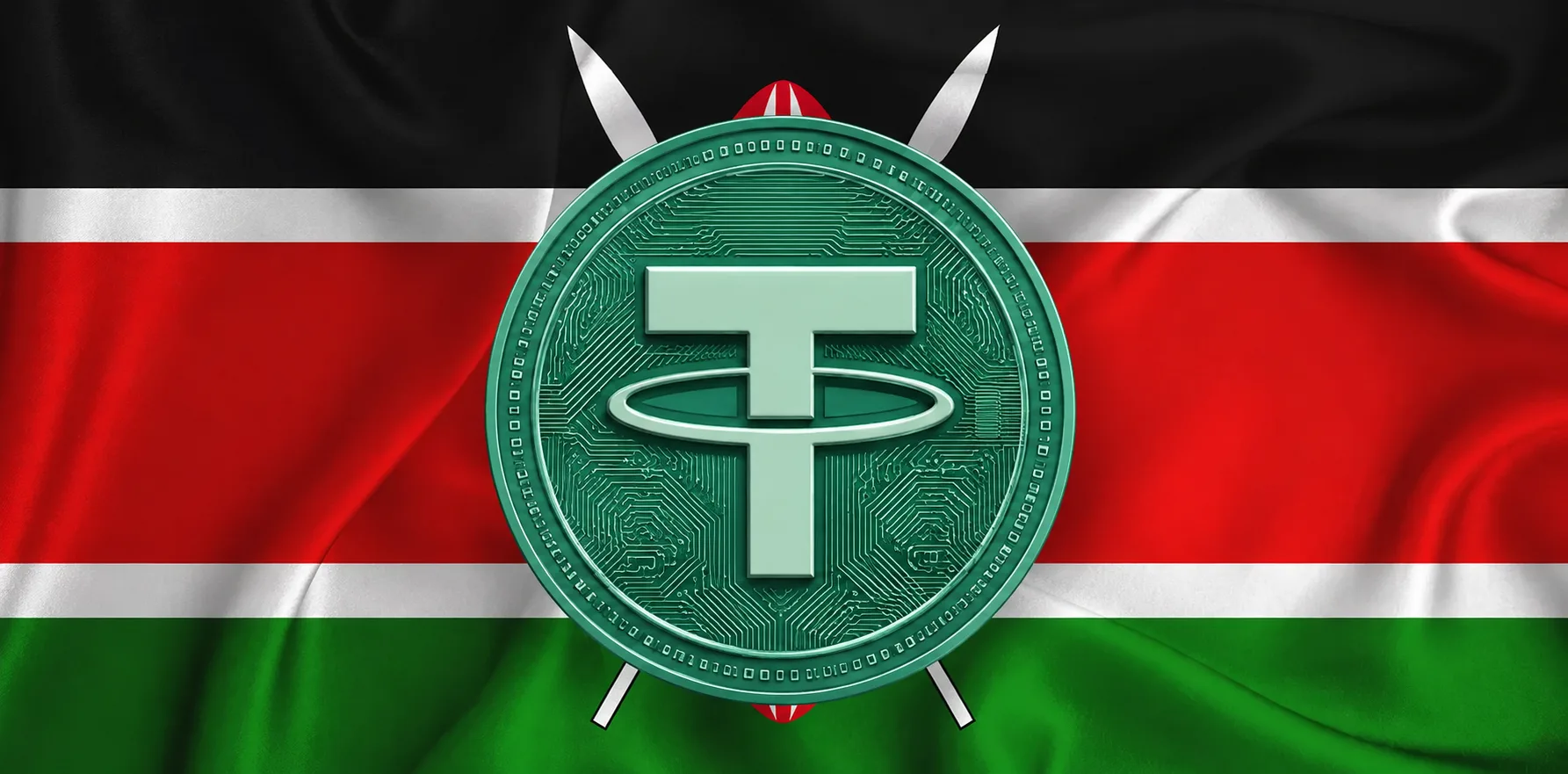
The Nairobi Securities Exchange has signed a memorandum of understanding with Tether, the issuer of the world’s largest stablecoin, to explore tokenizing securities, building blockchain-based market infrastructure, and potentially using USDT as a settlement layer on the exchange.
The MoU, signed on 28 July, moves a stablecoin issuer toward the plumbing of a national capital market rather than just its payment rails, which is what makes it more than a routine tokenization announcement. But the operative word throughout is explore. This is a framework to study, not a launch, and the most consequential line in it, the use of USDT itself for settlement, is hedged in a way that matters.
Tether Signs MoU with the Nairobi Securities Exchange to Explore Digital Assets Use Cases, Tokenization, Blockchain Technology, and Digital Asset Education in Africa
Read more: https://t.co/og4TtkNj92— Tether (@tether) July 28, 2026
What the Tether MoU Actually Covers
The agreement sets out several areas of collaboration, all exploratory. The centerpiece is a plan to build blockchain-based infrastructure for issuing and settling tokenized securities on the NSE using distributed ledger technology, with Tether’s Hadron platform as the proposed vehicle for token issuance and lifecycle management. That would extend to fractionalized access to securities for both local investors and Kenya’s large diaspora, and to instant and atomic settlement mechanisms aimed at shortening the exchange’s current settlement cycle.
Two further strands round it out. Tether and the NSE will design and pilot onboarding tailored to Kenyan anti-money-laundering (AML) and know-your-customer (KYC) requirements, and they will run a structured investor-education program of training sessions and workshops for NSE-listed brokers and retail investors. The tokenization ambition is not new for the exchange: the NSE joined the Hedera Governing Council in 2024 and has been building toward a digital-assets and tokenization platform since. Tether brings a separate technology stack to that existing roadmap.
Tether brings a separate technology stack to that existing roadmap. NSE Chief Executive Frank Mwiti tied the deal to the exchange’s 2025-2029 strategy, saying the collaboration explores “innovative technologies that have the potential to modernize market infrastructure, enhance operational efficiency, and broaden investor access while maintaining the highest standards of market integrity and regulatory compliance.”
The Part That’s Hedged: USDT as Settlement
The line worth reading carefully is the one about USDT itself. The parties will assess integrating the stablecoin as a settlement layer to deepen liquidity, but the memorandum states that any such use would proceed only where permitted under Kenyan law. That caveat is doing heavy lifting.
The announcement does not approve a tokenized security, launch a trading platform, or commit the NSE to settle transactions in USDT. No approval from Kenya’s Capital Markets Authority or central bank accompanied the deal. Before any pilot settlement could occur, the parties would need to establish legal permissions, custody arrangements, transaction-finality standards and AML controls, none of which the MoU resolves. Exploring USDT as market infrastructure is not the same as USDT being cleared to settle Kenyan securities, and the piece a reader should hold onto is that this is a plan to study the question, not an answer to it.
Investor Takeaway
The USDT-as-settlement line is an intention gated by “where permitted by law,” so treat it as a research item, not an approved rail.
Why the Timing Matters
The MoU lands directly on top of a regulatory shift, and the collision is the context. Just one day earlier, Kenya’s Virtual Asset Service Providers Regulations took effect, the country’s first enforceable crypto rulebook, which splits supervision between the central bank and the Capital Markets Authority and sets capital and licensing requirements for stablecoin issuers, with a November deadline. Tether is now moving toward Kenyan market infrastructure in the same week Kenya tightened the rules its own token must operate under.
That is not necessarily a conflict. A clearer rulebook is arguably what makes an exploratory deal like this possible, since it gives both parties a framework to design against, and the MoU explicitly frames its onboarding and settlement work as aligning with Kenyan requirements. But it does mean the deal’s fate runs through the same regulators now writing and enforcing those rules, and the National Treasury’s implementing regulations for tokenized assets remain in draft.
The broader backdrop is a global race to define crypto’s rules, from the stablecoin frameworks taking shape in Japan to the market-structure legislation moving through the US Congress, and African exchanges are now part of that story rather than spectators to it.
For Tether, the deal extends a push beyond stablecoin issuance into regulated capital markets infrastructure. CEO Paolo Ardoino framed it as part of an evolution “from crypto use cases to real-life applications and, ultimately, to cross-border institutional use cases,” pointing to the institutional direction the company is pursuing across jurisdictions.
For the NSE, a $26.4 billion exchange, it is a bet that tokenization can widen access and speed settlement. Whether either ambition reaches a live pilot depends less on the technology than on what Kenya’s regulators decide to permit.
Investor Takeaway
The rulebook and the Tether MoU arriving a day apart is the signal: regulatory clarity is a precondition for institutional crypto deals, not an obstacle to them.